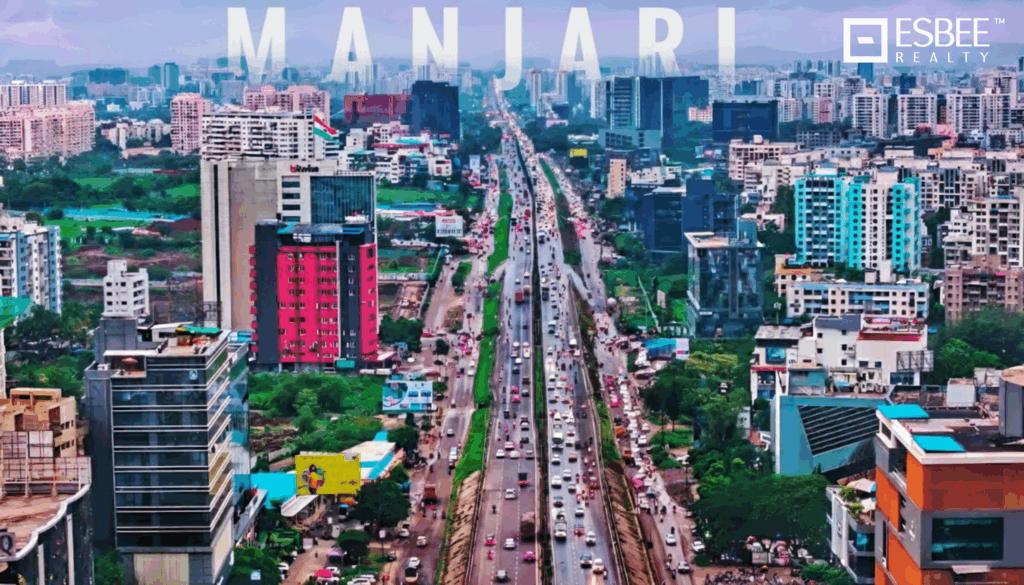
Pune’s real estate landscape is undergoing a dramatic transformation. While Central Pune has long been the city’s heart, growth momentum is now shifting decisively toward peripheral corridors. For homebuyers, investors, and businesses, understanding where Pune’s development is heading is crucial for making smart decisions in 2026 and beyond.
Why Central Pune Is Losing Its Edge
Central Pune including areas like Camp, Koregaon Park, and KP—was once the undisputed hub of premium living and commerce. However, several factors are limiting its growth potential:
- Land scarcity: Available plots are extremely limited, forcing developers to focus on redevelopment projects rather than new constructions.
- High costs: Premium land prices make it difficult for mid-income buyers and even many commercial tenants to afford space.
- Aging infrastructure: Many buildings are decades old, and road congestion remains a persistent challenge.
- Limited new inventory: Nearly 30% of new launches in Central Pune are redevelopment projects, restricting supply diversity.
While Central Pune still attracts luxury buyers and retains cultural significance, its growth ceiling is lower compared to emerging peripheral zones.
Peripheral Pune: The New Growth Engine
Peripheral Pune is experiencing explosive growth driven by modern infrastructure, IT job hubs, and affordable land. Key advantages include:
- Abundant land: Developers can build large integrated townships on 5–10 acre plots, offering modern amenities.
- Metro connectivity: Metro Line 3 (District Court to Hinjewadi) and the Ring Road are transforming accessibility.
- IT corridor expansion: Hinjewadi, Kharadi, and Wakad are home to major IT parks and Global Capability Centers (GCCs).
Price appreciation: Emerging peripheral areas are seeing 10–20% annual appreciation near metro stations.
Top Peripheral Corridors Leading Growth
1. East Pune: Kharadi → Wagholi
Kharadi has emerged as Pune’s commercial powerhouse, accounting for 45% of Q1 2025 commercial leasing activity. Residential prices range from ₹7,000–12,500/sq ft, supported by EON IT Park and the World Trade Centre.
Wagholi, just adjacent to Kharadi, offers affordable entry at ₹5,000–6,500/sq ft. The area benefits from Ring Road connectivity and improving water infrastructure, making it ideal for first-time homebuyers.
2. North-West Pune: Baner–Balewadi–Wakad–Hinjewadi
Nearly 50% of Pune’s new residential launches are concentrated in this corridor. Hinjewadi’s IT/SEZ hub, combined with the Metro Line 3 extension expected by 2026, drives demand. Wakad averages ₹6,600/sq ft with 3.5–4.5% rental yields. Baner and Balewadi attract premium buyers with upcoming Grade-A office towers like Millennium Towers.
3. Emerging Nodes: Mundhwa, Hadapsar, Punawale, Mahalunge
These areas offer affordable land and integrated work–retail–residential projects. Mahalunge and Hinjewadi are among Pune’s fastest-developing localities due to metro connectivity and IT expansion.
Why Peripheral Growth Is Sustainable
Several structural factors ensure peripheral Pune’s growth will continue:
- 10 million sq ft of Grade-A office supply in 2025, with 11 million sq ft more coming in 2026, mostly outside CBD.
- GCCs account for ~50% of Q2 2025 leasing in peripheral hubs.
- Navi Mumbai Airport (1–1.5 hours away) boosts city-wide demand.
- 5–10% annual appreciation forecast for 2026–2030, with 10–25% gains near metro stations.
Esbee Realty: Leading the Peripheral Growth Wave
Esbee Realty is strategically positioned at the forefront of Pune’s peripheral expansion with a strong portfolio of upcoming and ongoing projects in high-growth corridors. In Upper Kharadi, Esbee Realty is launching a premium upcoming residential project that taps into the area’s booming IT demand. In Wagholi, the Adira residential project offers affordable luxury for first-time buyers seeking connectivity and modern amenities.
In Keshavnagar Mundhwa, Esbee has an ongoing project delivering quality homes, while its previous Azura project is still in the sale phase for those looking for ready-to-move-in options. Additionally, Esbee’s Hadapsar–Manjari development combines commercial and residential spaces, catering to the growing demand for integrated work–live environments in one of East Pune’s fastest-growing nodes.
Conclusion
Central Pune remains valuable for premium living and redevelopment, but sustainable growth is moving to peripheral corridors. For investors and homebuyers, East Pune (Kharadi–Wagholi) and North-West Pune (Baner–Balewadi–Hinjewadi) offer the best combination of infrastructure, job proximity, and appreciation potential. With developers like Esbee Realty building quality projects in these zones, peripheral Pune is not just the future- it’s the present.